Blog
 5 Park Home Ave #130, North York, ON M2N 6L4, Canada
Blog Categories
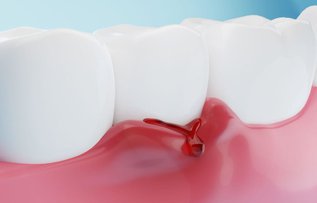
Why Your Gums Bleed When You Brush and What It Means
Bleeding gums when you brush are inflamed. That is what the bleeding means, and it is almost never a sign that you are brushing too hard. Healthy gum tissue doesn't bleed when a soft brush passes over it, just as healthy skin doesn't bleed when you wash it. In most cases, plaque along the gumline is the cause; the condition is early gingivitis, and it can be completely reversible within one to two weeks with proper cleaning. If the bleeding persists after two weeks of genuinely good home care, the problem has moved past what brushing can fix and needs to be addressed. The distinction between those two situations is what this article is about.

Cold Sore or Canker Sore? How to Tell Them Apart and What to Do About Each
A canker sore is a small ulcer that forms inside your mouth, is not contagious, and is not caused by a virus, while a cold sore is a cluster of blisters that appears outside your mouth, usually on or near the lips, is very contagious, and is caused by the herpes simplex virus. Both are painful, both usually heal on their own within one to two weeks, and both are common. But because they have different causes and one can spread to other people, telling them apart changes how you treat them, how careful you need to be around others, and when it is worth having a dentist take a look.
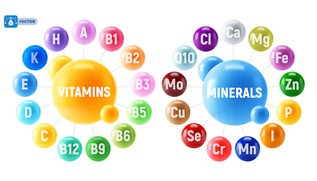
How Vitamins and Minerals Support Long-Term Oral Health
Most people associate good dental health with brushing, flossing, and regular dental visits. Those habits matter enormously, but they work best when supported by a diet that actually gives your teeth, gums, and jawbone the raw materials they need to stay strong.
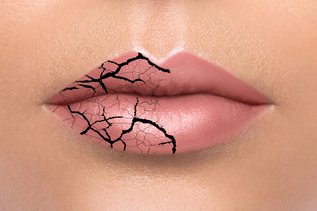
What Causes Dry Mouth at Night?
If you wake up with a dry, sticky mouth every morning, you're not alone — and it's not simply a matter of drinking more water before bed. Dry mouth at night, clinically called xerostomia, affects roughly one in five adults and tends to be worse during sleep for reasons that have nothing to do with hydration alone.

Sinus Tooth Pain: Causes, Symptoms, and How to Relieve It
You wake up during cold and flu season with a dull, throbbing ache in your upper jaw. You run your tongue across your molars and wince. Convinced something is wrong with a tooth, you book an emergency dental appointment — only to be told your teeth look perfectly healthy.
Top Fluoride Toothpastes for Stronger Healthier Teeth
Fluoride toothpaste plays an essential role in protecting teeth and maintaining strong enamel. Using fluoride toothpaste consistently helps reduce the risk of cavities and supports long-term oral health.