Blog
 5 Park Home Ave #130, North York, ON M2N 6L4, Canada
Blog Categories

Foods to Avoid While Adjusting to a New Dental Crown
Getting a dental crown is a significant investment in your oral health. The procedure restores a damaged tooth, but what you eat in the days and weeks that follow directly affects how well the crown settles, how long it lasts, and how comfortable the adjustment period feels.
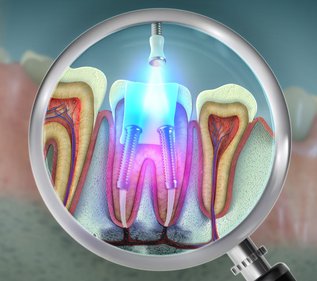
Root Canal Therapy: Myths vs Reality
If you've ever had a toothache that felt like it was pulsing into your jaw or temple, chances are it involved the pulp. The pulp is the soft tissue inside your tooth that contains nerves, blood vessels, and connective tissue. When it gets infected — due to deep decay, trauma, or cracks — a root canal treatment is often the best way to save the tooth and eliminate pain.
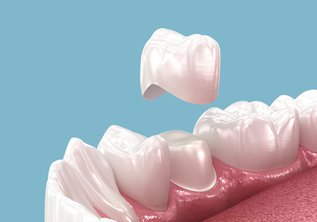
Dental Crowns: What to Expect Before, During, and After
Dental crowns are a dental restoration treatment. They are used to protect and enhance the appearance of damaged teeth, for better aesthetics, and long-term dental function. Here’s what you need to know about dental crowns—before, during, and after the procedure.

Wisdom Teeth Removal Recovery: What You Need to Know
Wisdom teeth extraction is a common dental procedure intended to avoid future dental difficulties, like overcrowding, infection, or impacted teeth.

Sedation vs. General Anesthesia
Considering a dental procedure like a root canal but concerned about pain or anxiety? If you are feeling a little queasy or squeamish at the dentist's office, you're not alone! That's because 9.8% of Canadians are afraid of dental treatment. The very idea of dental instruments probing around your teeth can be enough to induce nausea and apprehension.
Understanding Wisdom Teeth: Their Purpose and Common Issues
Wisdom teeth, also known as third molars, have long been a topic of curiosity and concern among dental patients.